While Nepal is renowned for its towering Himalayan peaks, it’s worth noting the remarkable biodiversity in the south, particularly in Chitwan National Park. This diverse ecosystem is home to rare and endangered species, including Bengal tigers, one-horned rhinoceroses, Asiatic elephants, crocodiles, ghariels, and a stunning variety of birdlife, making it a natural treasure worth exploring.
Full disclosure, this post contains affiliate links which helps me to produce this blog, keep travelling, and bring you these posts! If you book something through clicking a link I may get a little bonus at no extra cost to you. Thank you, Matty.
I made the decision to travel to Nepal to study its sustainability measures within tourism during my Tourism Management degree. It’s essential to understand how responsible tourism practices can help preserve the natural and cultural treasures of a country like Nepal. Collaborating with fellow students from different academic backgrounds, including Anthropology and Humanities, provided a well-rounded perspective on the cultural and social aspects of sustainable tourism. This kind of experiential learning was incredibly valuable for both personal and professional growth.

Chitwan National Park, nestled in Nepal’s Terai Lowlands bordering India, spans 953 square kilometres. This biodiverse haven is home to numerous bird species, including the revered peacock, symbolising watchfulness and compassion in Hindu and Buddhist traditions. The park also shelters endangered species such as Bengal tigers and one-horned rhinoceros. In its waters dwell crocodiles, the endangered gharial, and the once-elusive river dolphin, previously feared extinct. This remarkable ecosystem underscores the importance of conservation and sustainable tourism.

The early history of tourism in the region was indeed harsh on both the environment and its indigenous people. What is now Chitwan National Park was once the ancestral lands of the Tharu people, with outsiders limited to the ruling class. The Nepal Rana dynasty and British guests turned the area into a prolific hunting ground from 1846 to 1951. King George V’s 1911 visit resulted in the hunting of numerous animals, including 18 rhinoceros, 39 tigers, and four sloth bears, with the King himself claiming thirty kills. These hunting expeditions occurred only in winter due to the prevalence of malaria, a disease to which the Tharu people had a genetic resistance.

The one-horned rhinoceros is one of the features of the park. It is estimated over a thousand were living in the lowlands before the turn of the 20th century. By the 1950s there were only an estimated 150 left, not only due to Royal hunts, but also poaching. The region was designated a national park in 1973 and given World Heritage Status in 1984. As tourism increased, research has shown that it has influenced the decline of rhinoceros poaching through greater surveillance thus increasing numbers to around 750 today, and we got to see one! The increase of the one-horned rhinoceros’ population is just one aspect of how tourism has had a positive impact for endangered wildlife. Sadly, while we keep a watchful eye and stay very quiet, we don’t encounter a Bengal tiger during our park visit.

After we finish our jeep tour of the park, we head to the river and take to the water in wooden canoes.
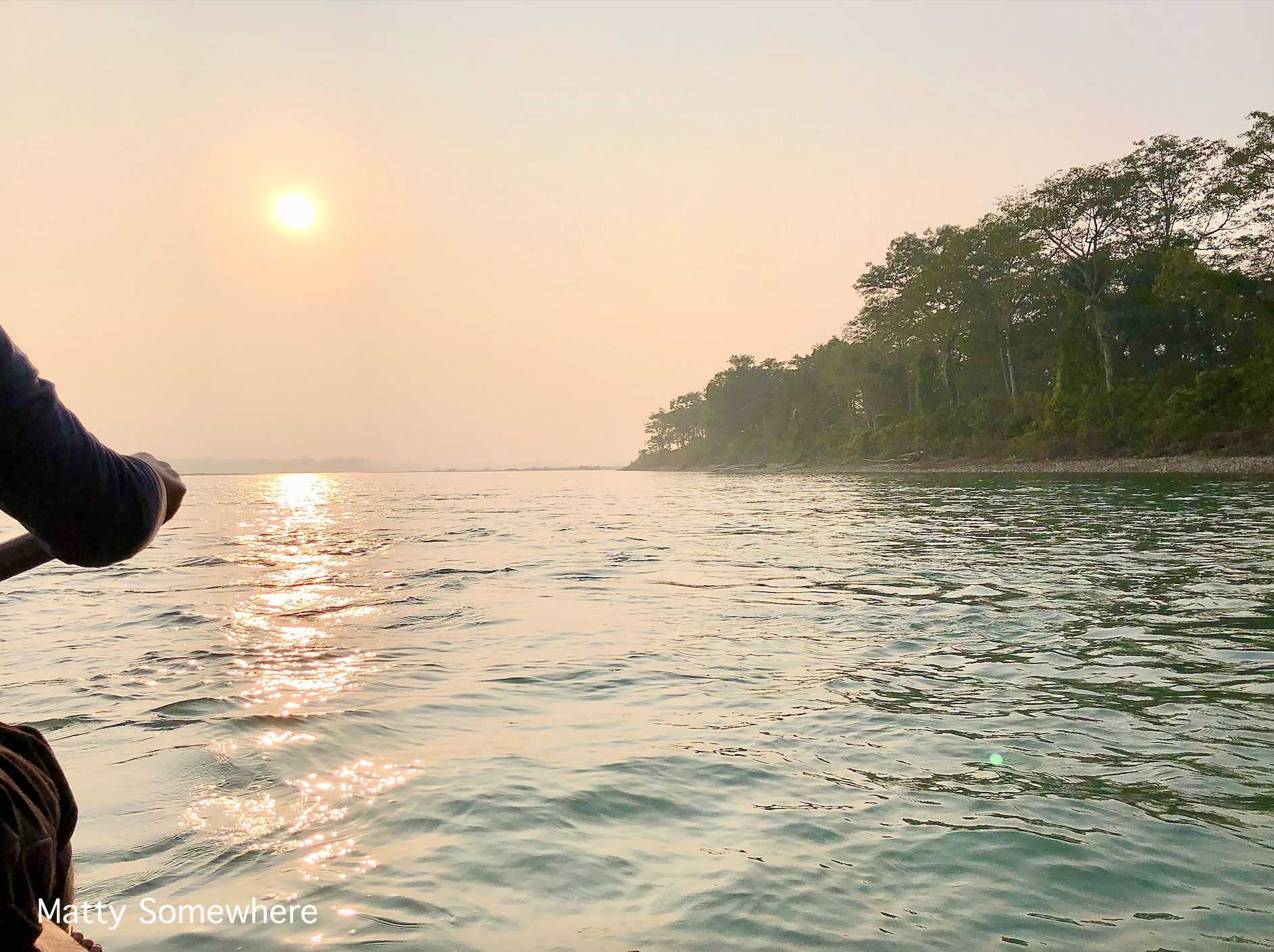
Encountering river dolphins and the unique wildlife of the Naranyani River is an incredible experience, even if it was challenging to capture on camera. There is a cautious approach around the river, considering the presence of crocodiles.

It’s indeed incredible to witness a herd of Asiatic elephants in their natural habitat. Promoting responsible and ethical tourism practices is crucial for the well-being of animals and the preservation of their habitats
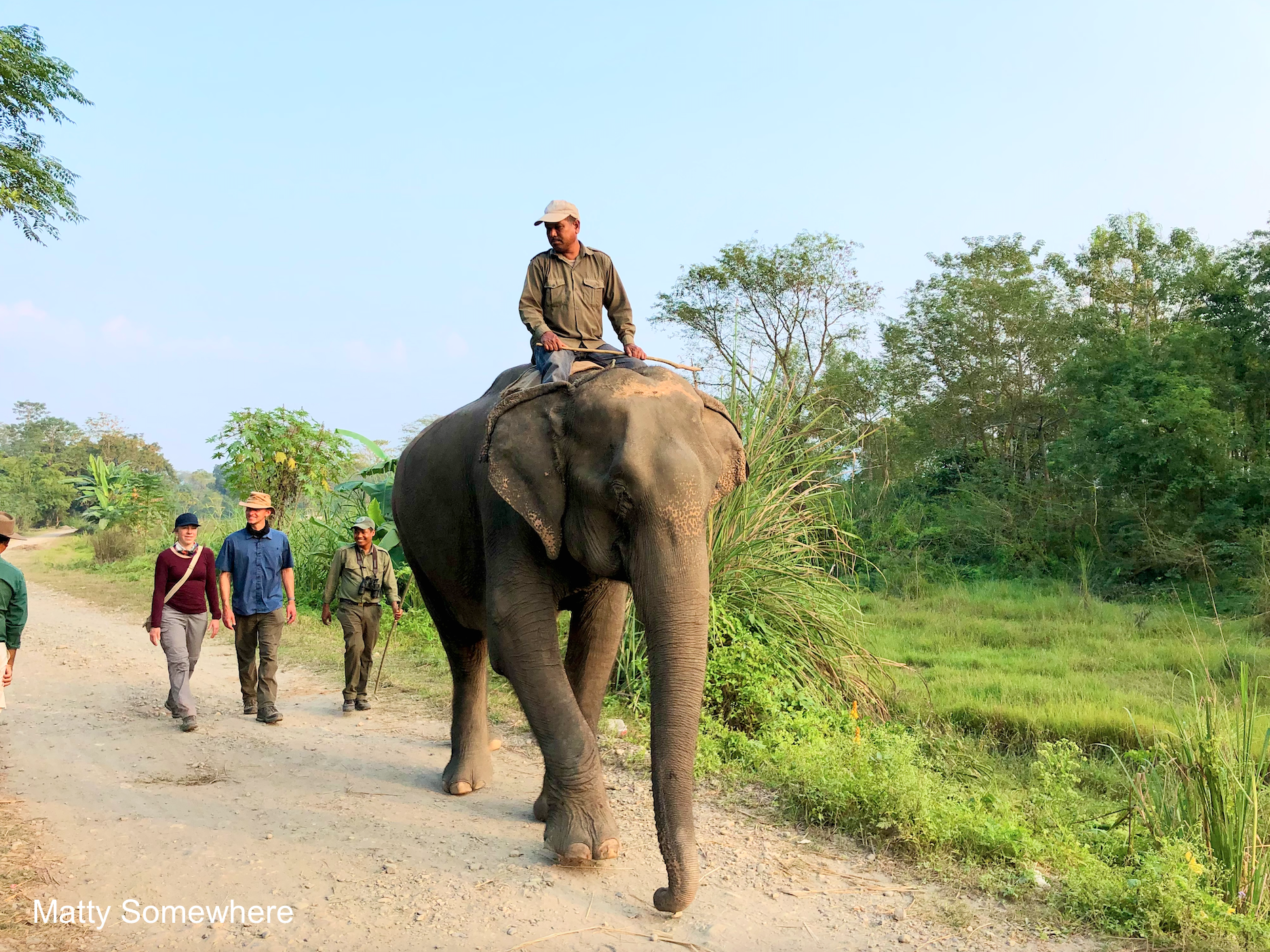
It’s unfortunate that elephants raised in captivity often struggle to adapt to the wild, posing risks to both them and local communities when they roam in search of food. Fortunately, responsible establishments like Nana Jungle Lodge refrain from such tourist activities, like elephant riding, which are gradually fading out. This reflects a more ethical and sustainable approach to wildlife and tourism
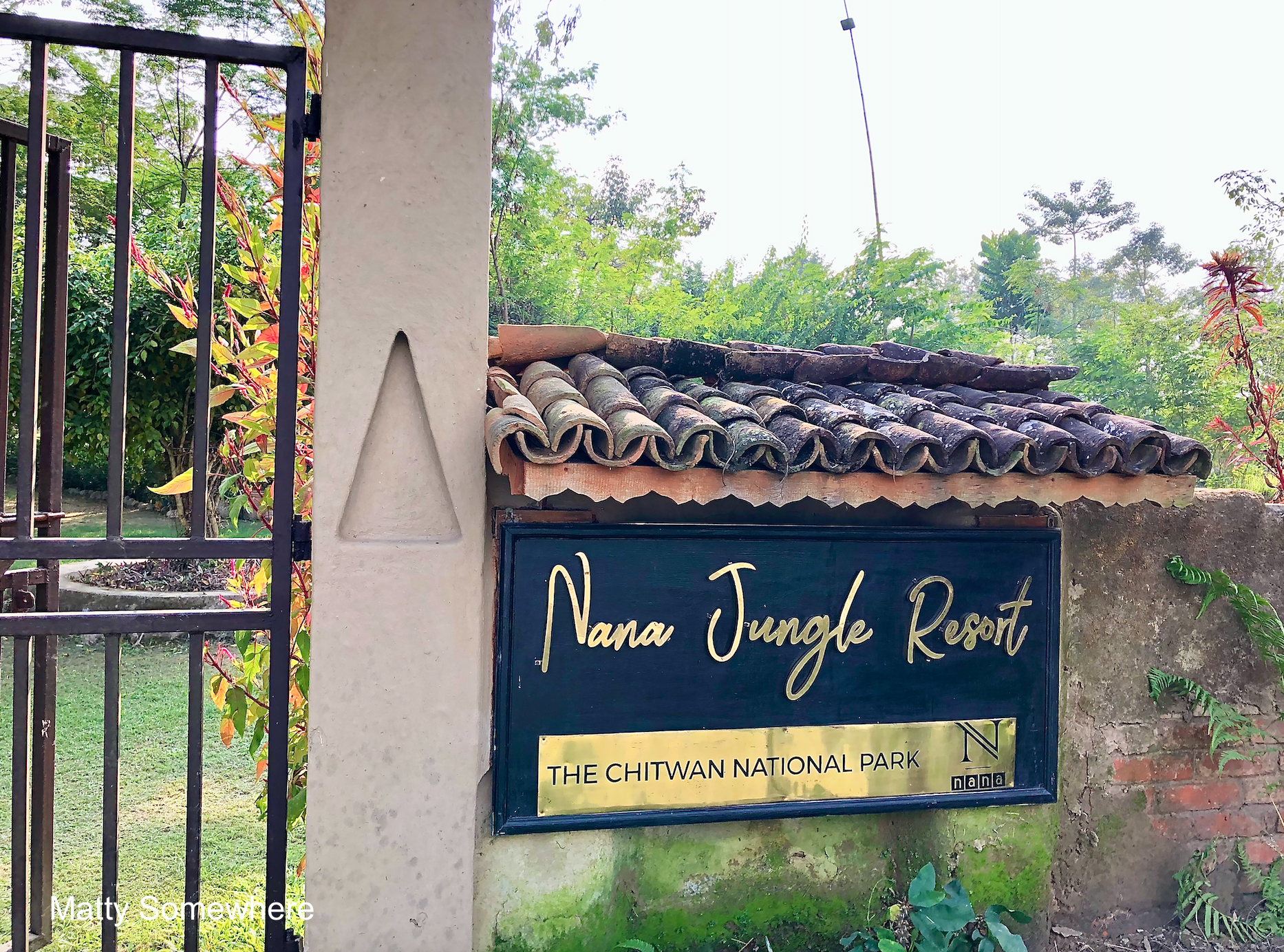
Investing in true sustainability encompasses three key pillars: environmental, cultural, and economic. Nana Jungle Resort seems to excel in these aspects. They demonstrate a steadfast commitment to preserving the environment and local culture while also fostering economic growth within the Tharu community. This holistic approach sets a commendable example for responsible and authentic sustainability practices.
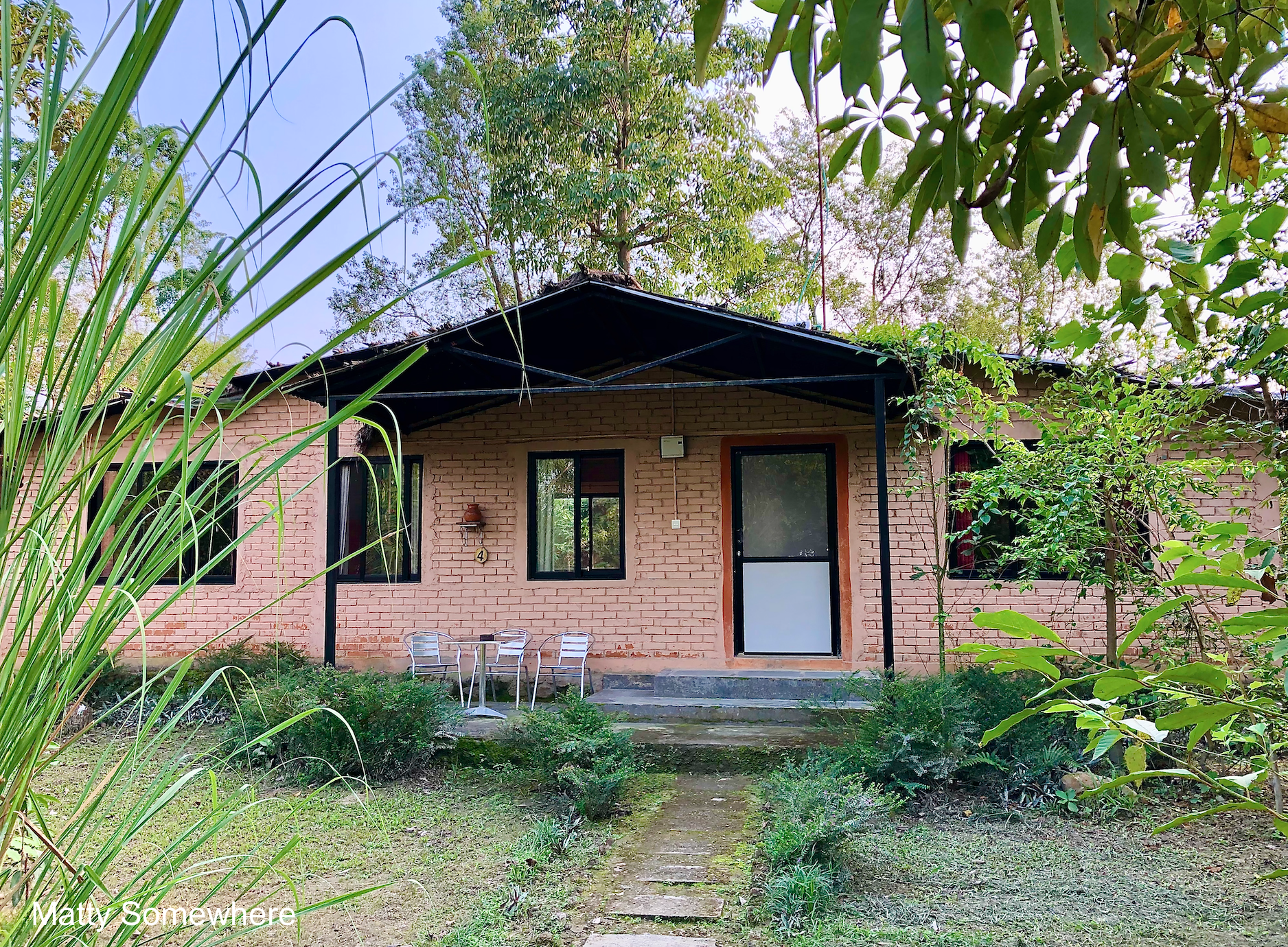
The resort’s buildings, furniture, and artworks all bear the mark of local craftsmanship. Constructed by skilled locals, the structures exude a genuine sense of community involvement. The furniture and art pieces, likewise, reflect the region’s rich talent and culture, enhancing the overall authenticity and charm of the resort.

Nana takes a strong stance against plastics, opting for eco-friendly alternatives whenever possible. Impressively, they have slashed their plastic usage by an astounding 90% in recent years. Their commitment to sustainability extends to their water source as well; they harness rainwater through on-site tanks, meticulously treating it. Guests are provided with glass bottles for drinking in their rooms or for refilling, further demonstrating their dedication to reducing environmental impact.

Promoting cultural sustainability in the region also involves hiring local staff, including the chef responsible for crafting authentic Tharu dishes. Among these culinary delights, my favourite was the vegetable fritters, a nightly accompaniment to cocktails. These delectable treats, slightly infused with curry and reminiscent of onion bhaji, boast a delightful contrast of crispy exteriors and tender interiors. I couldn’t resist them, and I secretly wished I had the recipe to recreate this flavourful delight at home.
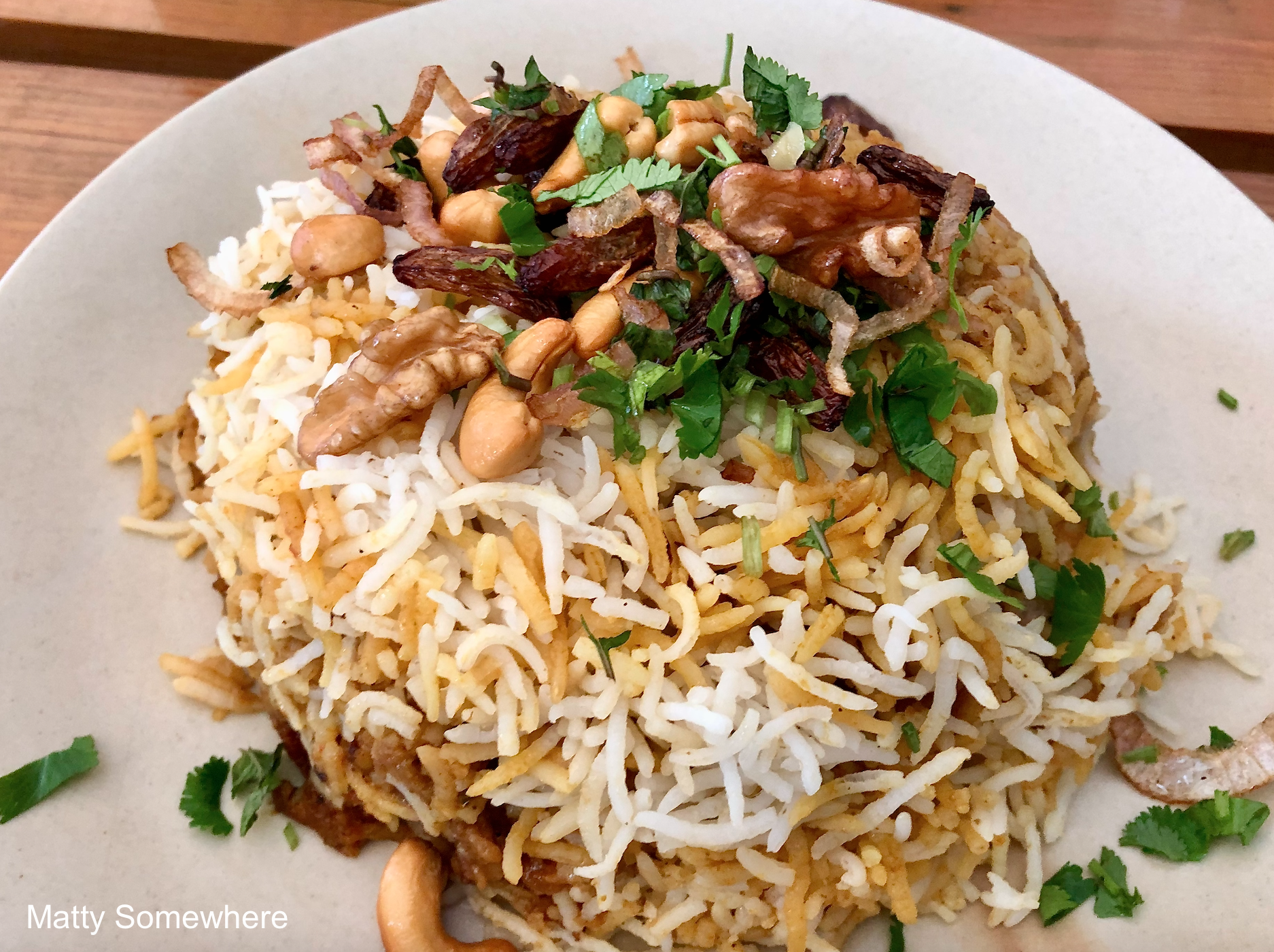
For one of the lunches, my choice is the chicken biryani. It’s a revelation, bursting with flavour but not overwhelmed by excessive heat, a contrast to what I’ve encountered in Nepal. This biryani is a delightful balance of gentle yet robust flavours, making it a truly satisfying and enjoyable meal

My friend Harry’s go to choice is Dhal Bhat, a quintessential Nepali delight. This traditional dish combines dhal (lentil soup) with bhat (steamed rice), accompanied by an ever-changing selection of curries and pickles, depending on the season. Harry’s affection for this meal knows no bounds, and he can’t help but enthusiastically commend its flavours and versatility, making it a topic of his admiration for days to come.

Dessert surprises with plantain fritters, distinctively less sweet than their banana cousins. These fritters arrive at the table warm and savoury, having been swiftly fried in a crisp batter. To complement their subtle sweetness, they’re generously drizzled with local honey, enhancing their flavour profile. As someone who usually leans towards savoury rather than sweet treats, I found these fritters to be a delightful revelation. Their unique combination of textures and the touch of honey created a harmonious and satisfying dessert, catering perfectly to my savoury cravings while introducing a taste of the local culinary flair.

Our last night featured a mesmerising performance by the Tharu people, with local families in attendance, adding to the festive atmosphere. The traditional Tharu dance was not only enjoyable but also culturally enlightening. It was a fun and fascinating way to conclude our visit.
Beyond its renowned mountain peaks, Nepal indeed offers a rich tapestry of culture, wildlife, and landscapes that can leave a lasting impression on travellers. Explore Nepal and discover the hidden gems and unique adventures that this beautiful country has to offer.
Want to travel to Nepal? Book your stay in Kathmandu here!
I highly recommend Nana Jungle Resort, book direct here.
Matty Somewhere travelled to Chitwan and Nana at his own expense. Travel to Nepal was made possible through Western Sydney University and the New Colombo Plan.

 Matty Somewhere
Wow! What a unique, eye-opening and once in a lifetime experience.
What a wonderful trip and so great to see a business that is taking real sustainability measures too.